Relationships of Loving Reciprocity:
the Practice of Regenerative Wildcrafting
Have you become disillusioned with the quality of mainstream medicine care?
Everyone deserves affordable, accessible, and effective heath care. Modern medicine certainly has its virtues, but it's become quite clear that it’s failing to meet our most fundamental human needs.
Relationships of Loving Reciprocity provides the skill-based knowledge that will allow you to confidently and respectfully gather freely growing medicinal plants to support your well-being and that of your loved ones.
But won’t we decimate plant communities if everyone starts foraging for their own medicine?
This course doesn’t focus solely on learning how to identify and gather plants. It inspires the development of deep relationships of loving care: for Earth and ecosystem, for ourselves, and for all our nonhuman kin.
And because the existence and ability of all beings to thrive depends on the healthy functioning of Earth's bio-systems, Relationships of Loving Reciprocity asks us to become active stewards of the land. In this way we will ensure the continuing viability of medicinal plants for all to enjoy.
are this course and the plants covered relevant to where I live?
Although my work centers on plants in the Pacific Northwest, I have specifically chosen to showcase plants commonly found and widely distributed throughout Canada, the United States, Europe, and beyond. So in these places you will most likely find these plants or their close relatives growing near where you live.
Each core video focuses on a plant representing one of the most common plant parts gathered for medicine. The basic techniques used in the harvesting of these particular plants can then be used as a template for the gathering of similar plants that grow wherever you live.

The Practice of Regenerative Wildcrafting
Distilling my nearly 30 years of wildcrafting and medicine making experience, these videos and accompanying materials complement and greatly expand upon the information I shared in my bestselling book, Pacific Northwest Medicinal Plants.
Filled with practical hands-on information, experiential stories, and explorations of relational ways of knowing, Relationships of Loving Reciprocity invites you to enter into a deeper recognition and honoring of our interconnected existence with the land and communities of life. In this way, we can work together to ensure that these plants and their medicine will be available for many generations to come.

Meet your Guide,
Scott Kloos
As a ceremonialist, author, wildcrafter, plant medicine maker and practitioner, animist, singer of plant songs, and aspiring integral ecologist, I have devoted much of my adult life to studying relationships between humans and medicinal plants.
I have shared this passion with the community by offering classes, courses, and trips through The School of Forest Medicine, authoring Pacific Northwest Medicinal Plants: Identify, Harvest, and Use 120 Wild Herbs for Health and Wellness, and supplying high-quality, small-batch wildcrafted bioregional botanical extracts through Cascadia Folk Medicine.
EMPOWER YOURSELF! LEARN To respectfully and Confidently Gather medicinal plants to support your well-being and the well-being of all beings
Get started Now or Scroll down to learn more
Learn the Practice of Regenerative Wildcrafting
Relationships of Loving Reciprocity: Wildcrafting
-
Intro to the Course
-
Wildcrafting Preliminaries
-
Speaking the Language of Plants
-
Getting to Know Toxic Plants
-
Caring for Endangered, Threatened, and Sensitive Species
-
Wildcrafters as Integral Parts of the Ecosystem
-
The Practice of Regenerative Wildcrafting
-
Harvesting Videos
Course FAQ
-
Whether you're just starting out or would like to increase your knowledge and develop your wildcrafting skills, this course is for you.
-
Acknowledging the fullness of modern life, we invite you to access the preparatory course materials whenever you have time. Learn at your own pace and immerse yourself in nature's rhythms, but be sure to complete them before turning to the instructional videos and heading out into the field.
We designed the video portion of this course to flow with the cycle of the seasons, from Cottonwood buds in late winter to root harvesting in the fall. If you follow this seasonal flow, you can expect to finish the course within a calendar year. If you start in the middle of the year, you can complete the course during the next spin around the Sun.
In the end, because you'll have lifetime access to this rich source of information, you get to choose the pace of your journey!
-
After you sign up, we’ll provide a comprehensive list of tools and supplies you would potentially use in the practice of wildcrafting. But if you’re just starting out, I’d recommend these key items: a botanical key focused on your bioregion, a good pair of pruning shears, a digging tool, and some paper or cloth bags.
-
Each video focuses on a plant representing each one of the most common plant parts gathered for medicine.
I present the practical knowledge in these videos so that you can use the techniques of the particular plant as a template for the gathering of similar plants. For example, you would use the same basic technique of harvesting Alder bark as you would when harvesting the bark of Oak or any other tree.
Regenerative Wildcrafting online course: What you’ll learn

The online course pages, Regenerative Wildcrafting E-book, and video series cover the practical aspects of harvesting plants from the wild while establishing deeply caring relationships with the Earth. Completing this course you will learn:
about the importance of reciprocal gratitude when interacting with plants and ecosystems
how to positively identify plants using a botanical key or through other forms of observation
how to determine whether a harvest will be ethical and regenerative, and conversely when it is best to not make a harvest at all
about the endangered, threatened, and sensitive species that have been commonly used for medicine in North America, have awareness of the species that we should never harvest, and become familiar with strategies for harvesting others that need special attention
about developing an awareness of the most toxic plants of your bioregion
about proper harvesting and foraging techniques for the most common plant parts we work with in herbal medicine
how to engage in practices of mutually beneficial and opportune wildcrafting
how to select and care for tools used in the practice of wildcrafting and foraging
how to properly process, dry, and store wildcrafted herbs
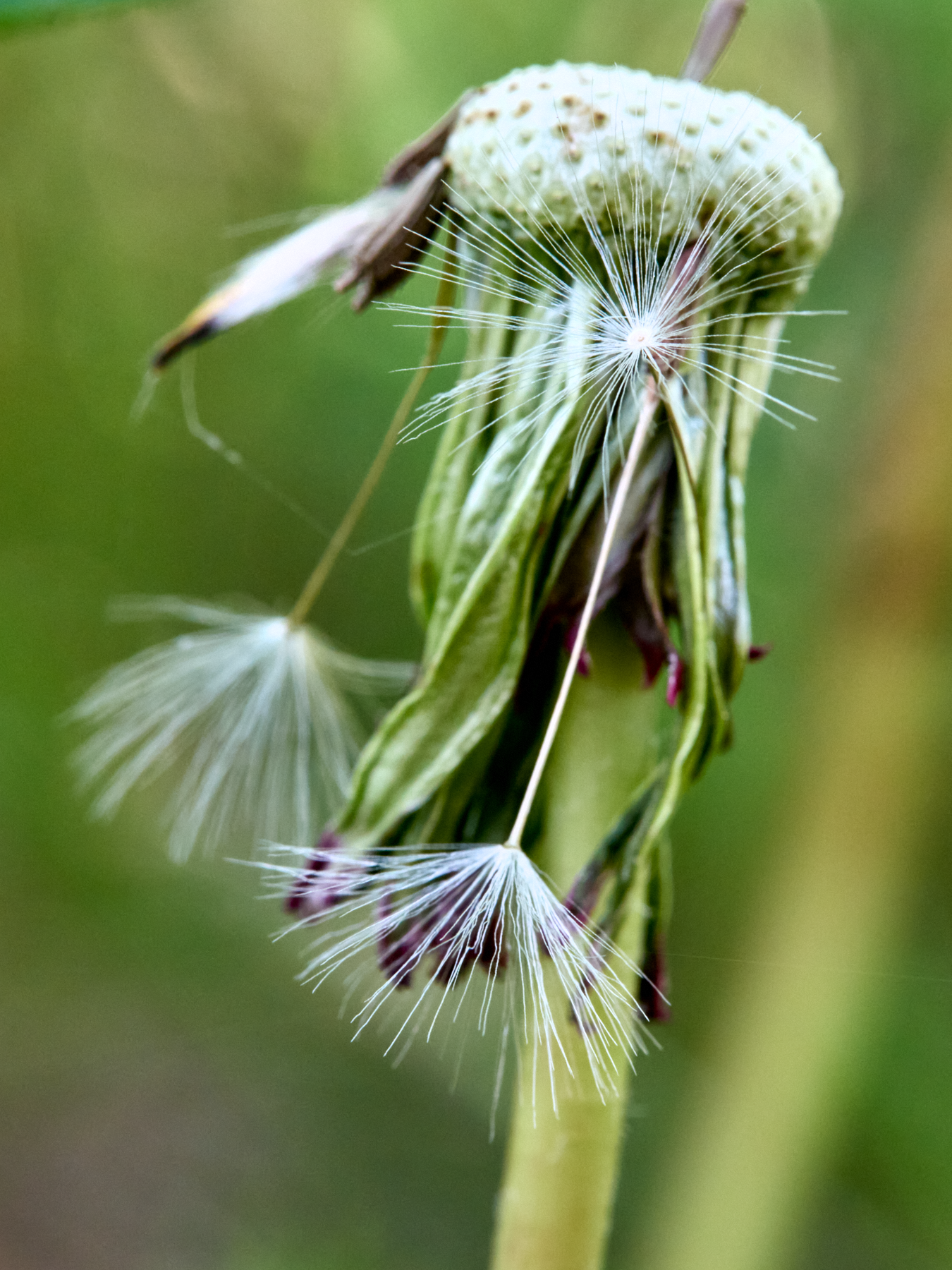
The Practice of Regenerative Wildcrafting: WHAT YOU RECEIVE
-
Immerse yourself in cinematic quality videos that invite you into the majesty of the forest. Each video goes beyond traditional teachings, offering plant identification, detailed harvesting techniques, and insights into the medicinal properties of the featured plant.
-
These rich resources contain in-depth descriptions of the many aspects of respectfully gathering plants from the wild
-
Much of the course material is available in audio format accessible on each page or via podcast feed for listening on the go with your preferred app. The course also includes downloadable PDFs such as a Guidelines for Ethical Regenerative Wildcrafting sheet, a Regenerative Wildcrafting Assessments sheet, and a Steps to Identifying a Plant sheet.
-
Throughout the seasons, I will add videos, photos, audio lectures, and other content, expanding on the core curriculum or relating to plants not covered in the main video series or written material.
-
I won’t call it homework, but I will offer readings and other resources for those who would like to deepen their study of the craft. It’s entirely up to you to decide how much attention you’ll dedicate to these extra-curricular options.
Relationships of Loving Reciprocity is more than an online course; it's a comprehensive learning experience. In it I invite you to follow me into the forests, mountains, river valleys, and more as we harmoniously balance the practical aspects of harvesting wild plants within a context of intimate and caring relationship with the living Earth. Lifetime access to this course includes:
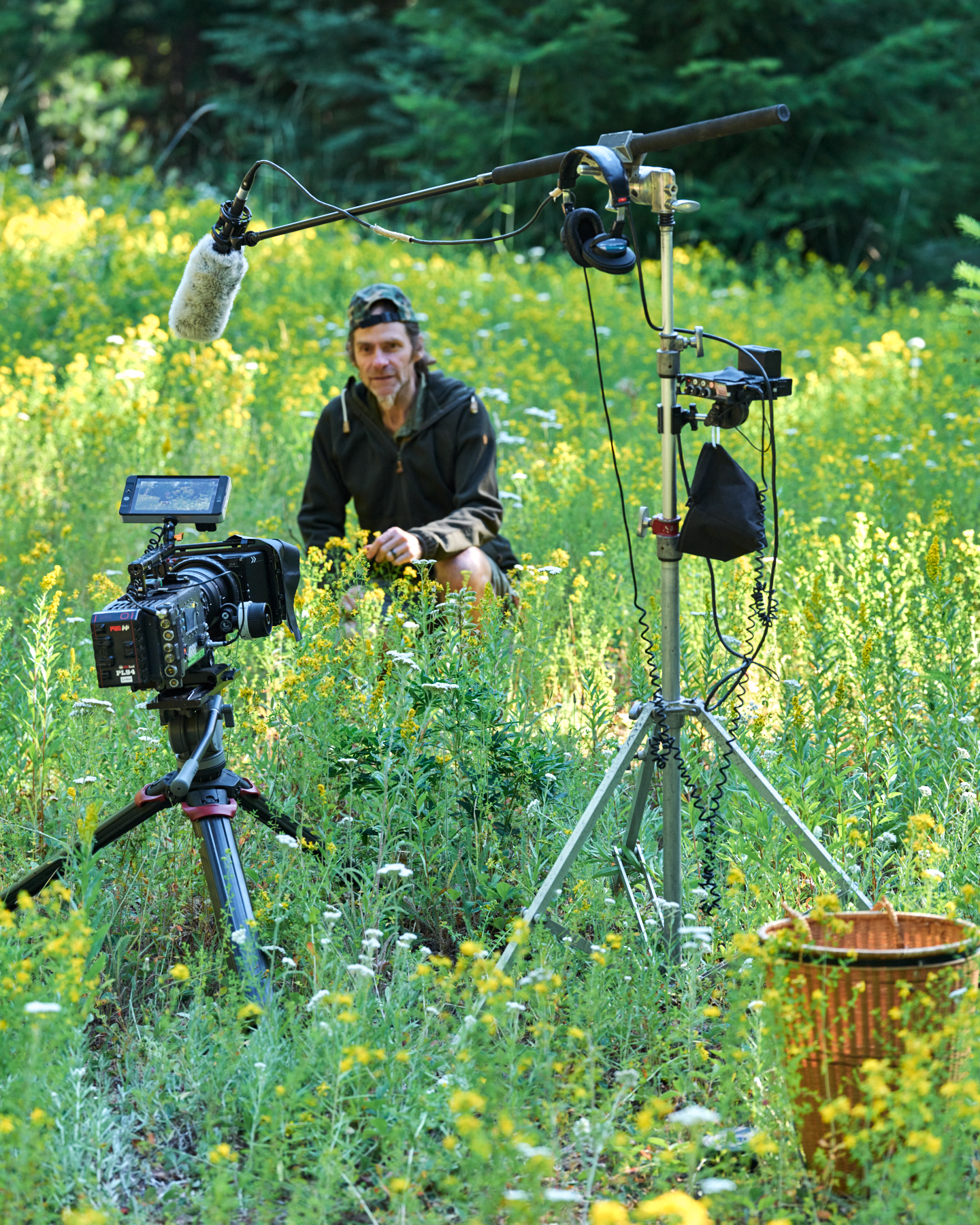
Regenerative Wildcrafting harvesting Videos
The heart of this course consists of a series of professionally produced, lovingly crafted, cinematic quality videos that reflect my care for and attention to plant life and the natural world. Each invites participants into an experience of the natural world where we flow through the arc of the harvest season from Cottonwood buds in late winter and early spring to root harvests in the fall.
In each video I share:
information about the plant's habitat
keys to positive plant identification
detailed harvesting techniques
medicinal uses of the plant covered
regenerative strategies to ensure future harvests
stories from years of experience that highlight important aspects of working with plants (including awareness and understanding of plant toxicity and reframing the concept of "invasive" species)
Each video focuses on a plant representing one of the most common plant parts gathered for medicine. We have specifically chosen each of these representative plants because they or their close relatives are commonly found and widely distributed throughout Canada, the United States, Europe, and beyond. The one exception is Oplopanax horridus (Devil’s Club aka Ashusha), a Pacific Northwest bioregional plant that teaches us much about the spirit of regenerative wildcrafting.
I present the practical knowledge in these videos so that you can use the techniques of the particular plant as a template for the gathering of similar plants. For example, you would use the same basic technique of harvesting Alder bark as you would when harvesting the bark of Oak or any other tree.
Check out These teaser clips
These little tidbits will give you a sense of what to expect from the course, but, of course, there is so much more to discover!
Plants covered in the Videos
BUDS
Black Cottonwood
Populus trichocarpa
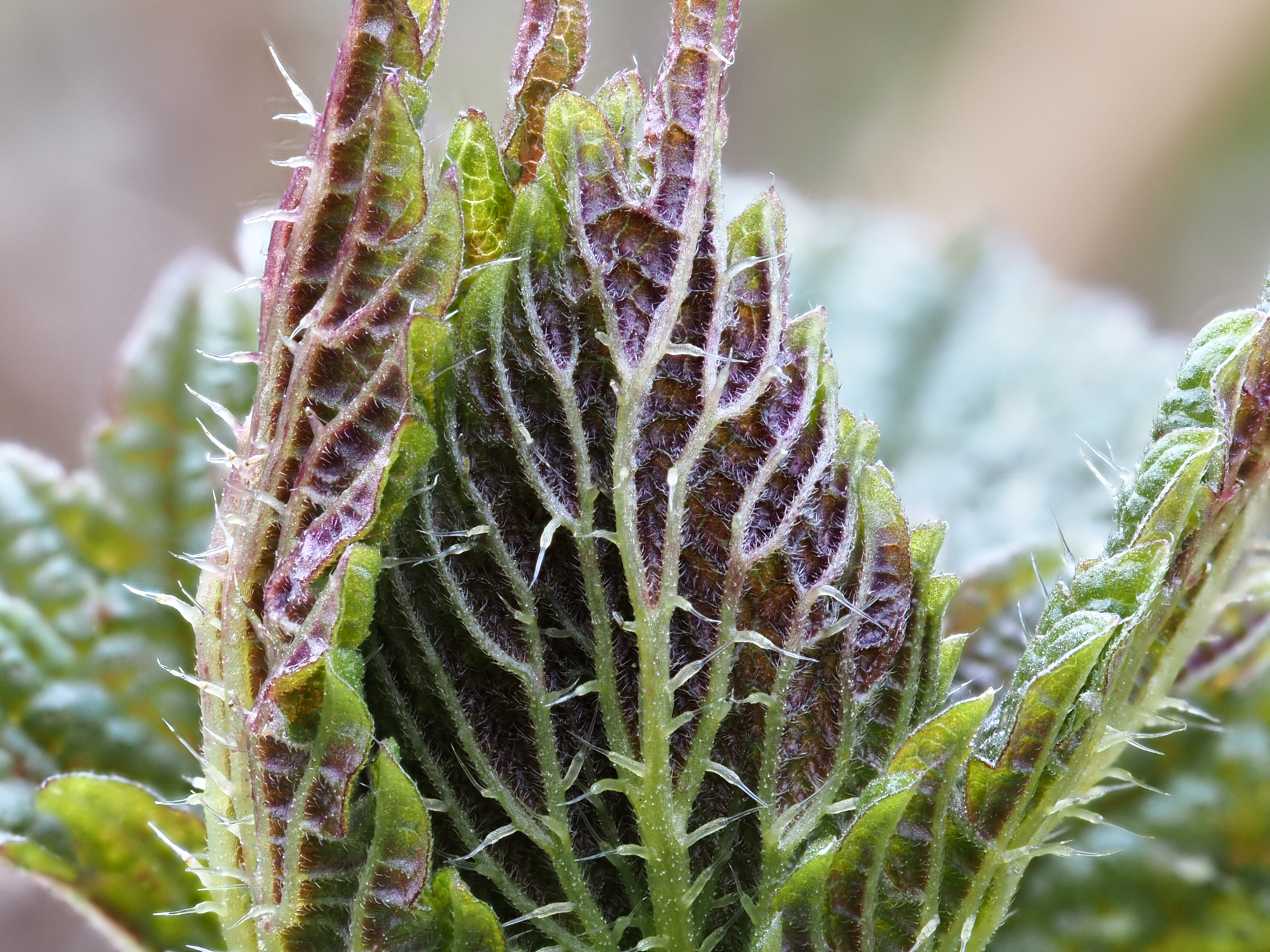
LEAVES
Nettle
Urtica dioica
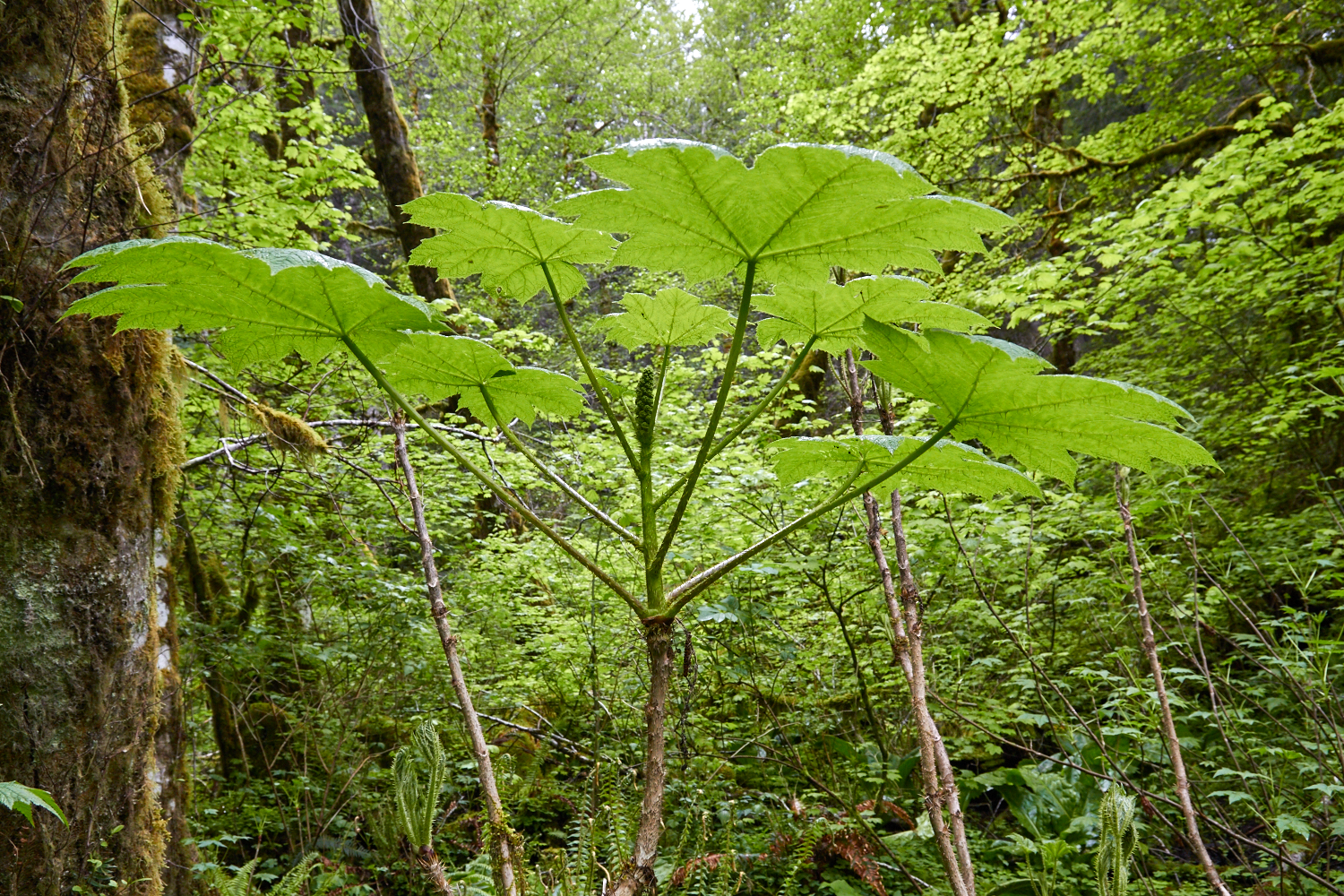
ROOTBARK
Devil’s Club (aka Ashusha)
Oplopanax horridus
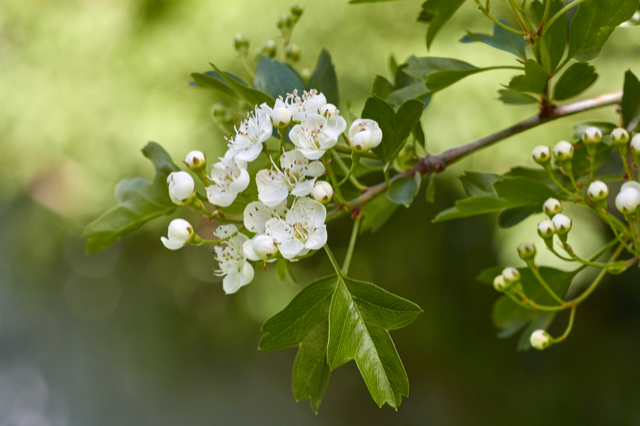
FLOWERS
Hawthorn
Crataegus monogyna

BARK
Red Alder
Alnus rubra
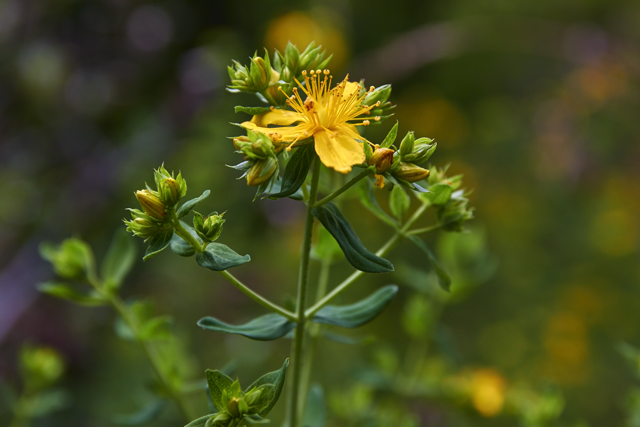
FLOWERING TOPS
Saint John's wort
Hypericum perforatum
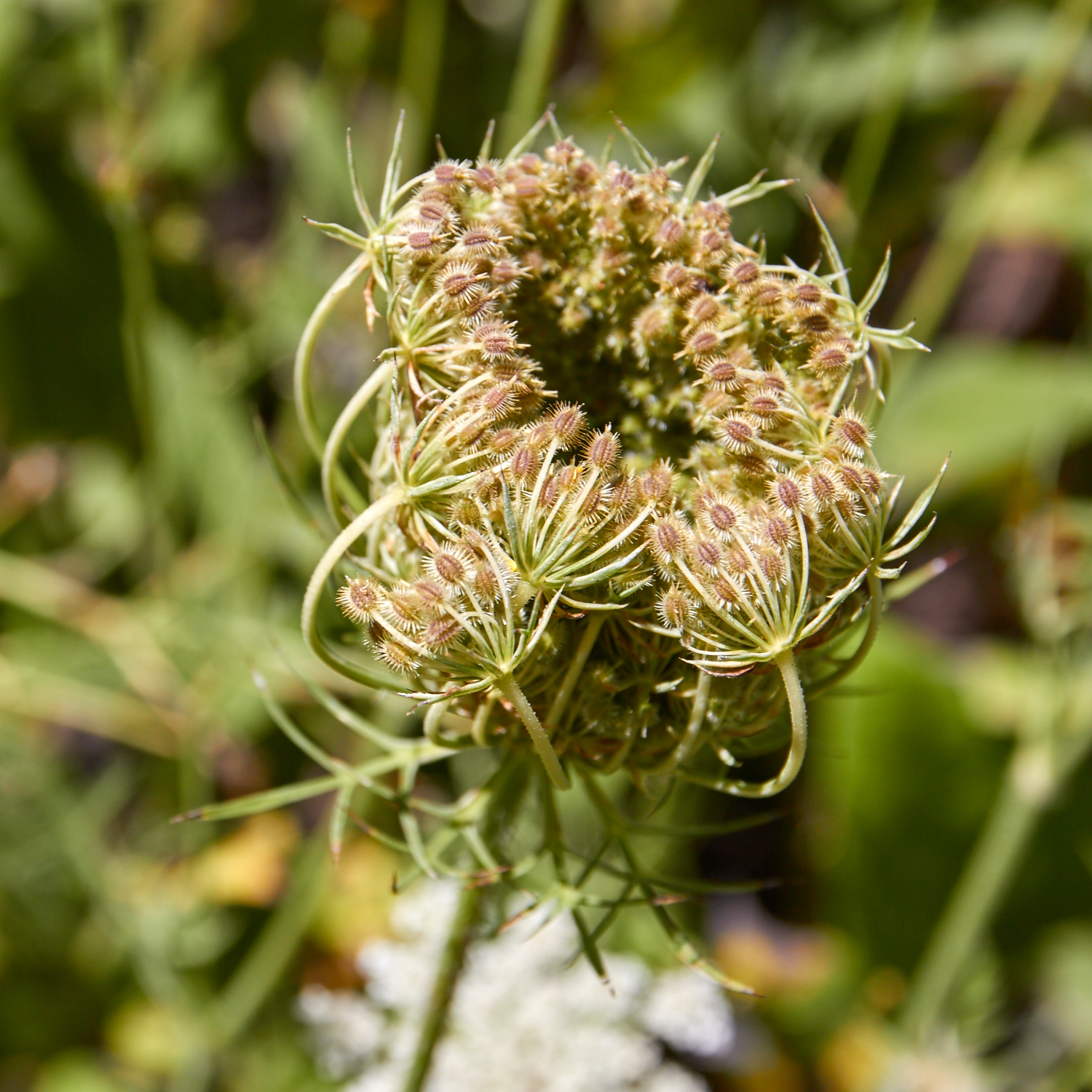
SEEDS
Wild Carrot
Daucus carota
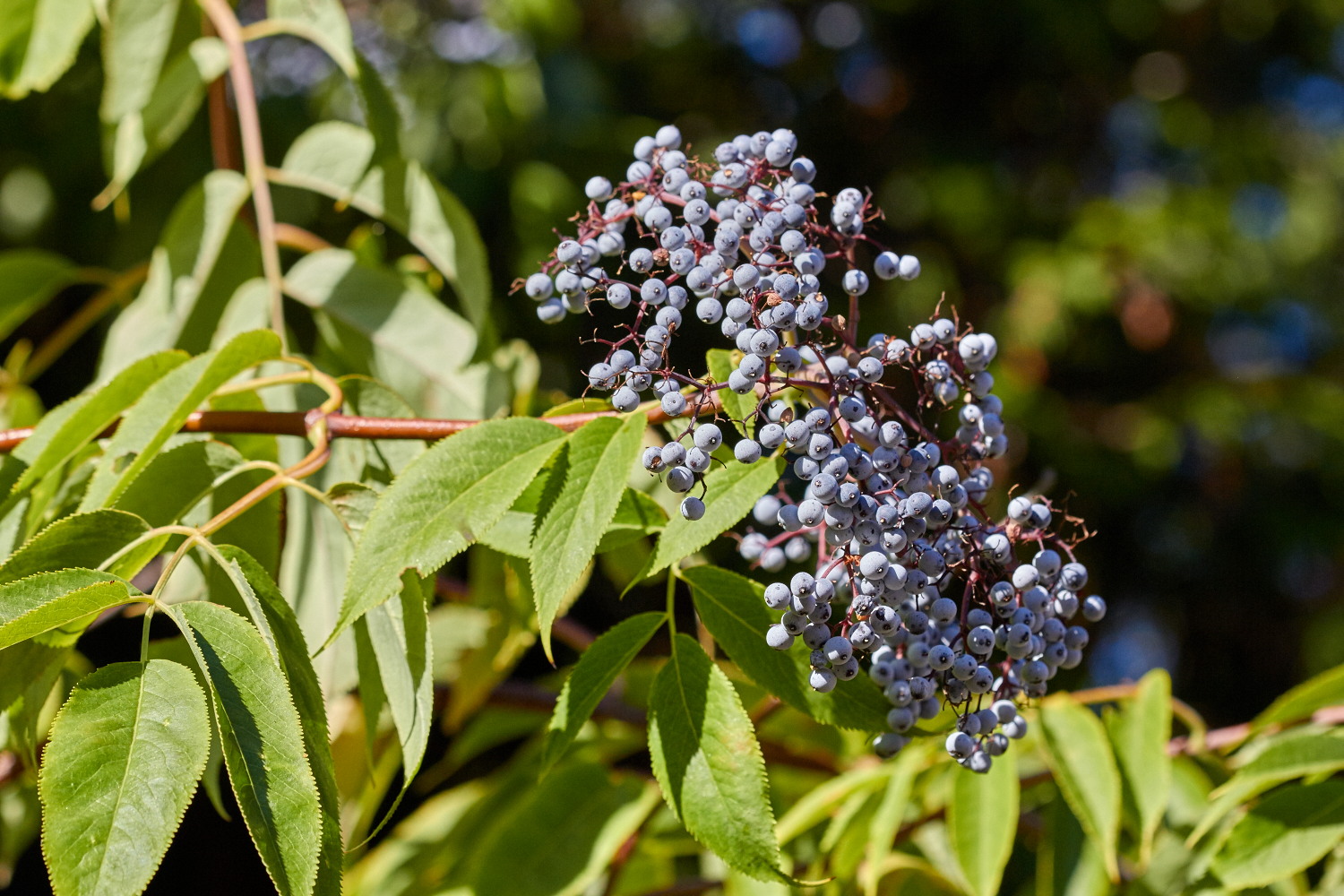
BERRIES
Blue Elder
Sambucus caerulea

ROOTS
Angelica
Angelica sp.