Intro to the Course
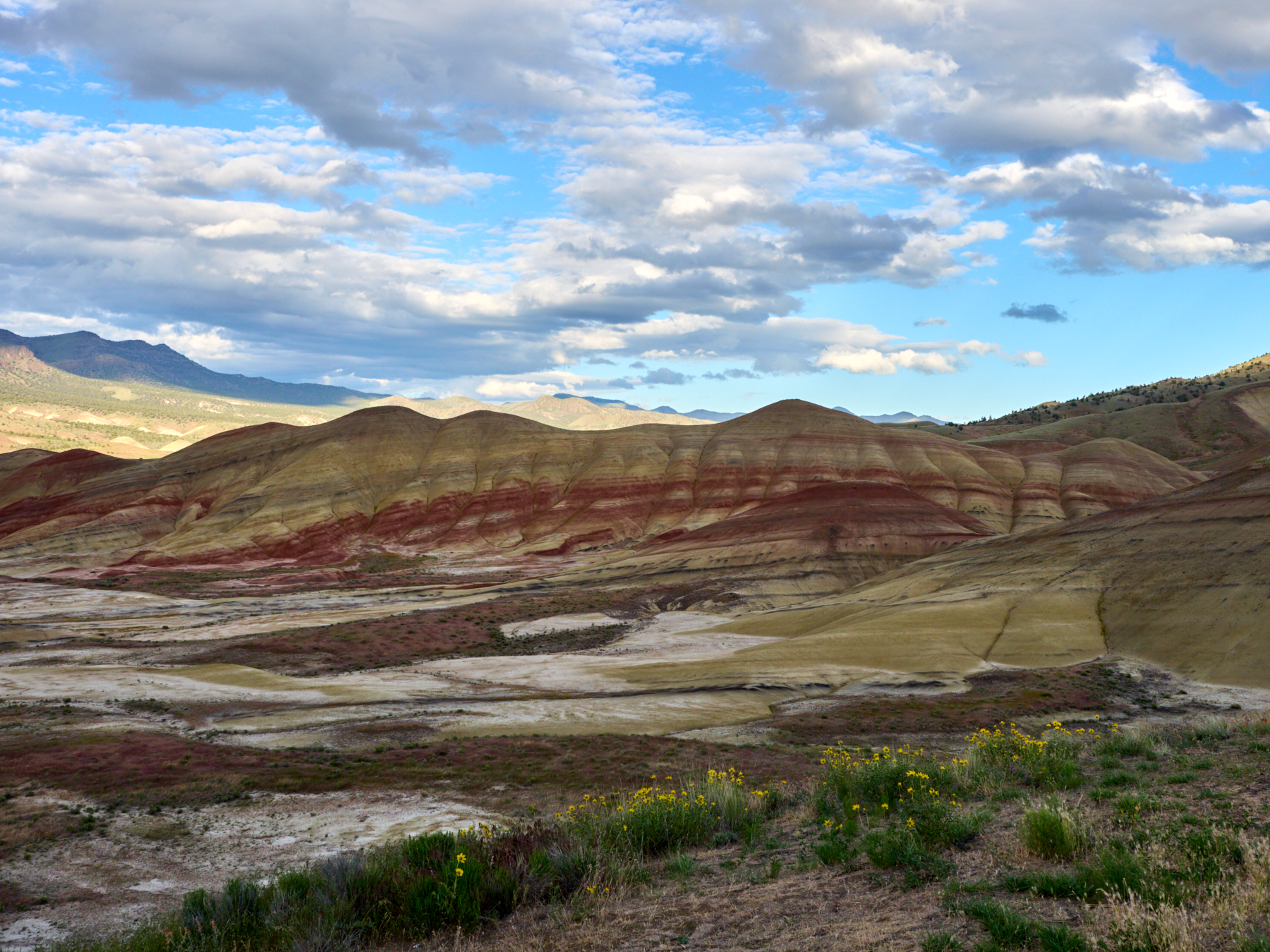
Through our loving presence, we experience the aliveness of the world, and Through the loving presence of the living Earth, we experience our own aliveness
This course is a call to remembrance and an invitation to more intimately engage with the living Earth. It is not an attempt to recapture something that was lost or remake something that has been inalterably changed. It is an invitation to inhabit different relationships to time as we meet the challenges of the present moment.
With interest in wildcrafting, medicine making, and the practice of herbalism growing, it is becoming increasingly important to situate these practices within wider ecological contexts. Relationships of Loving Reciprocity is an invitation to more deeply recognize and honor our interconnected existence within the community of life on Earth through gathering medicinal plants from the wild.
Through practical hands-on information, experiential stories, and an exploration of relational ways of knowing, this course will guide you as you explore regenerative wildcrafting practices and making botanical extracts infused with the wisdom of the wild. I will also invite you to inquire into and unwind from non-life-affirming culturally conditioned ways of being. From refreshed vantage points we may then receive applicable ecological knowledge that will inform the adoption of respectful bioregional lifeways and help us navigate our individual and collective lives during these times of rapid change.
Interwoven with facts and scientific information to satisfy our rational minds, a deeper energetic way of knowing makes up the foundational fibers of this work. The solutions we seek are less about finding answers and more about dissolving impediments to our broader understanding of our role as humans within the web of life.
And though it may seem out of place in a course about the seemingly mundane aspects of wildcrafting and medicine making, you will find information about the psychological and spiritual aspects of plant medicine because for me the harvesting of and making medicine from plants is inextricably intertwined with their expressions in more subtle and archetypal realms.
There is much to be learned as we study these processes. You may find that the medicine you make will be different than the medicine that your friend makes even when you harvest plants from the same stand at the same time. You will also find that when you give someone medicine, the way that you go about this will bring about a different result than if that same medicine was given by someone else.
It is all about intention. It is all about relationship—our relationship to ourselves, to the plants, to other humans and to the Earth and all her inhabitants.
We live in a time of great consequence, and it's vitally important that we shift our ways of interacting with the world. Rather than seeking practices outside of the everyday, I find that incorporating what I call animistic modes of awareness into the day to day activities of my life, like wildcrafting or communing with plants, facilitates greater ease in making these shifts.
Our very existence and ability to thrive depends on the healthy functioning of Earth's bio-systems. This truth pertains to all the other vegetal and animal beings that inhabit this planet and even extends to greater ecosystemic organisms such as mountains, rivers, forests, and oceans.
The well-being of our whole beings, and consequently the beingness of the whole, benefit from these shifts as well. Even without taking the medicine that we make (though that helps too!) using the intentional harvesting and medicine making techniques for which Relationships of Loving Reciprocity advocates, our states of depression, anxiety, and other maladies dissipate, leaving more spaciousness for authenticity to thrive.
I am asking you to join me as we flow into broader spheres of awareness to which our sensing bodies have been so exquisitely tuned through countless millennia of evolutionary interconnection. As such we will call upon the wisdom of the wild to guide these ecological inquiries that will feed, nourish, and support our understanding.
With Earth's remonstrations becoming ever more insistent might we listen more thoroughly for the lessons? If so, we may acknowledge that our culturally foundational human-centric orientation to life leaves a groaning void which calls for a deeper honoring and respect for the lifeways of all these other organisms.
How might we alter our orientation to the world? And how can we allow this renewed understanding to inform all other aspects of our lives? This course will provide opportunities to more fully examine our relationships with these questions and more.
So now let's turn to the question: What is wildcrafting?