Harvesting Videos
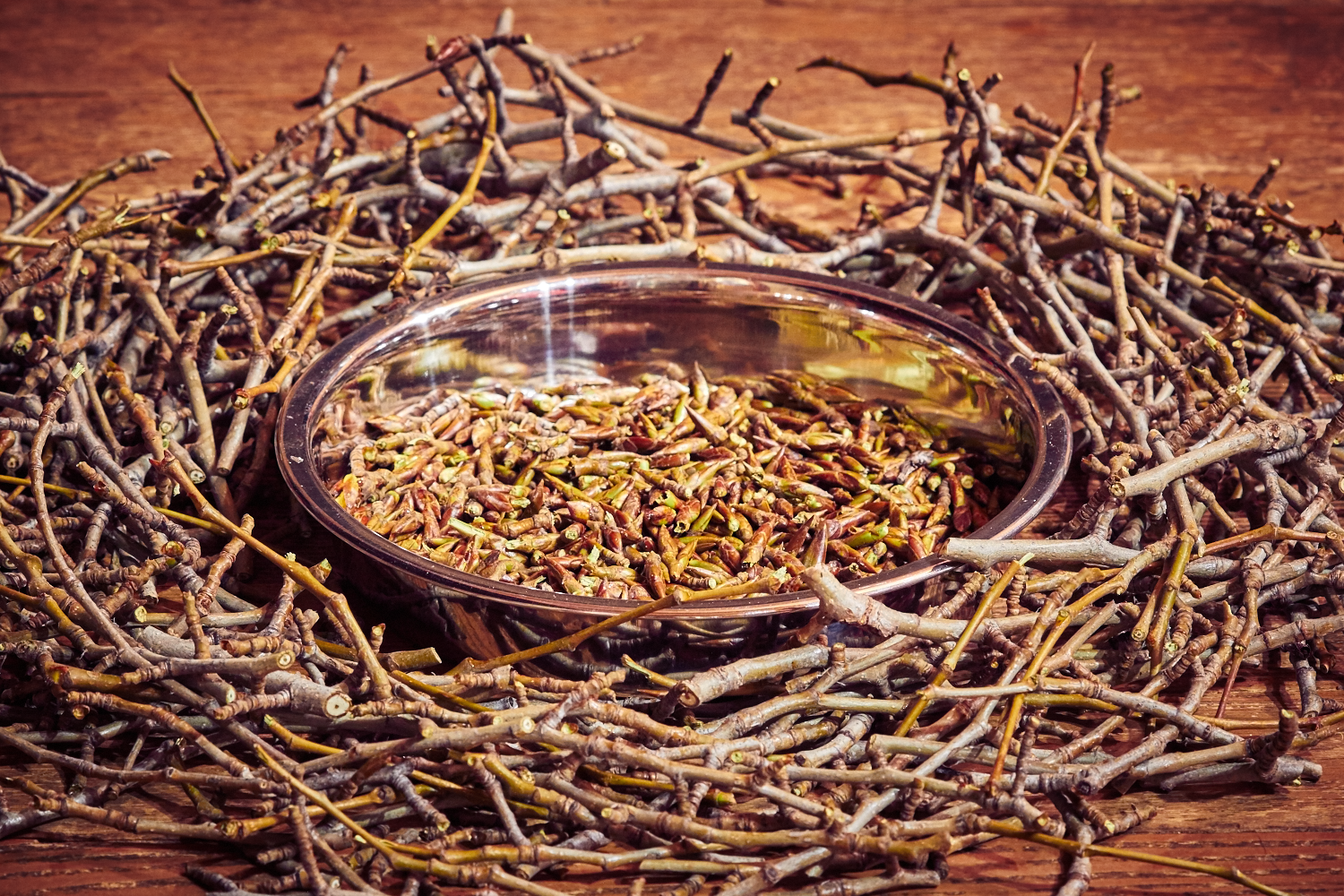
I recommend that you first watch each video in its entirety so that you can fully take in the experience of being present in the field. After that, watch again and pause the video to take notes or make sure you understand the information being presented.
After your second time through, check out the additional information below. Post any questions in the Comments Section. I or a member of our team will respond as soon as we’re able.
Additional Information and Photos
Black Cottonwood
Populus trichocarpa
parts used: bud, twig
other common names: Balsam Poplar
Resinous buds expel mucus from the lungs, soothe sore muscles, and speed the healing of cuts, scrapes, and burns.
How to Identify
From late winter to early spring, resinous buds swell and fill the air with their sweet fragrance. Hanging catkins (dense spikes of single-sexed flowers that lack petals), male and female on separate trees, emerge from early to late spring, followed by thick, dark green, heart-shaped leaves with pale undersides and pointed tips. Fine teeth and small hairs line the edges of the alternately arranged, deciduous leaves. After they ripen, hairy seeds burst out of 3-chambered capsules, filling the sky and covering the ground with the white fluff that gives the cottonwoods their name. Smooth bark thickens into deep furrows as the broad-trunked trees age, and brown twigs turn gray after their first year.
Where, When, and How to Wildcraft
Found throughout western North America from sea level to middle elevations, this rapidly growing tree (formerly Populus balsamifera subsp. trichocarpa) resides in wet forests and along waterways from Alaska to California. At lower elevations west of the Cascades, black cottonwood often grows in large stands in the bottomlands of large streams and rivers. East of the Cascades its range is limited to protected valleys and canyons.
From mid winter to early spring, look for low-hanging branches or limbs that have fallen to the ground after a windstorm. Cut the bud-laden branch ends. Remove buds to make a fresh tincture, or place the bud-covered twigs in bags to dry for making oils or dry bud tinctures. Leaving the slow-to-dry buds on the twigs increases airflow to speed the drying process. Save the twigs for tea after you’ve removed the dried buds to make an oil or tincture.
Medicinal Uses
Warming and stimulating resins in the buds stimulate lung secretions to expel mucus, speed the healing of infections, and increase the circulation of blood to the exterior. Take the tincture in hot water to clear the lungs of hard stuck mucus that causes rattling unproductive coughs, to stimulate circulation to promote sweating and bring blood and warmth to the surface of the skin and extremities, and to help resolve nonviral lung infections.
Bitter salicylates in the buds and twigs reduce inflammation and relieve pain. Rub the oil on sore muscles and strains. The bud oil combines well with hairy arnica and/or Saint John’s wort oil to reduce joint swelling and to ease the pain and inflammation of carpal tunnel syndrome. Drink a tea of the bitter twigs for added effect.
The bud salve or butter reduces swelling, prevents infection, and promotes rapid skin cell regeneration. I find the butter especially helpful for burns and chapped lips.
On the emotional level, the deep anchoring and solidity of this tree is a signature for its ability to impart calmness. Black cottonwood teaches us to radiate a quiet dignity and to receive and transform chaotic energies. It has shown me that when I feel overwhelmed by life, there is often an internal process of change trying to take place. It asks me to stop resisting and go into the process so that the transformation can occur.
Herbal Preparations
Twig Tea
Standard decoction
Drink 3–4 fluid ounces up to 3 times per day.
Bud Tincture
1 part fresh buds
2 parts menstruum (100 percent alcohol)
or
1 part dried buds
5 parts menstruum (70 percent alcohol, 30 percent distilled water)
Take 30–60 drops up to 4 times per day.
Bud Oil and Salve
Dry Herb Infused Oil 1:10
Follow the directions for a standard Dry Herb Infused Oil, but use 1 part buds by weight to 10 parts oil by volume.
Future Harvests
Find large downed branches to harvest from, or take a few twigs from each tree. Stick branches in the ground where you harvest; they will root in and make new trees. In fact, Cottonwoods themselves employ this strategy of dropping branches, known as Cladoptosis, to self-prune dying branches or those receiving insufficient sunlight as a method of vegetative reproduction. Branches will often float down a river or stream and root in where they come to rest.
Black Cottonwood Bud Butter
Ingredients:
dried black cottonwood buds
clarified butter
Instructions:
1. Measure 1 part by volume of dried black cottonwood buds. Grind them with a coffee grinder or other device to the consistency of corn meal.
2. In a double boiler, heat 2 parts by volume of clarified butter (also known as ghee).
3. Add the ground buds and simmer for 4 hours on very low heat, stirring occasionally. Heating the mixture too high will ruin the medicine.
4. Into a clean, dry jar, pour the warm, bud-infused butter through a cheesecloth-lined funnel to strain out the herb material.
5. Label accordingly, and store in a cool dry place.
credit: Adapted from Michael Moore
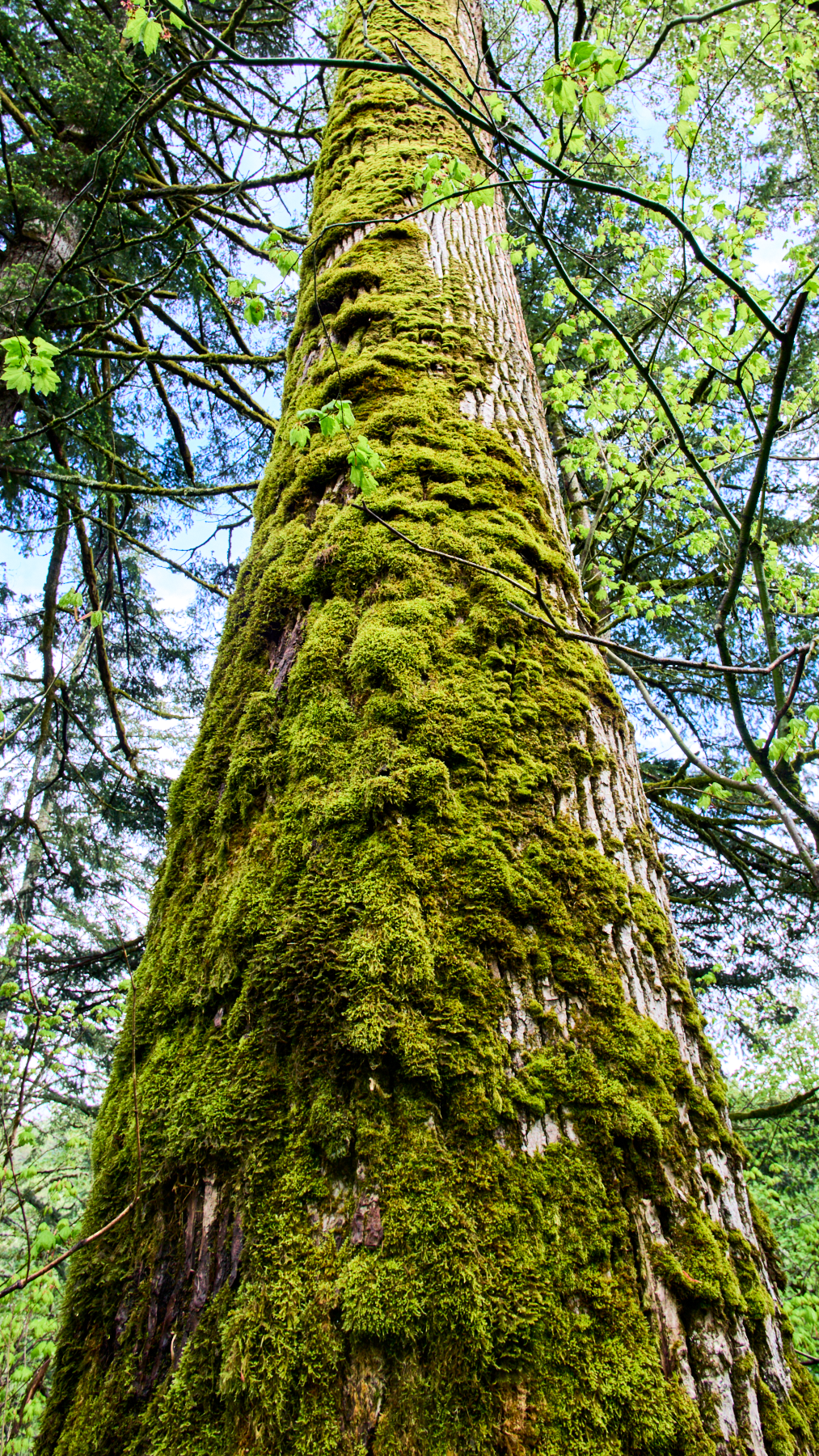
Cottonwoods grow to become some of the tallest deciduous trees in the temperate forests of North America
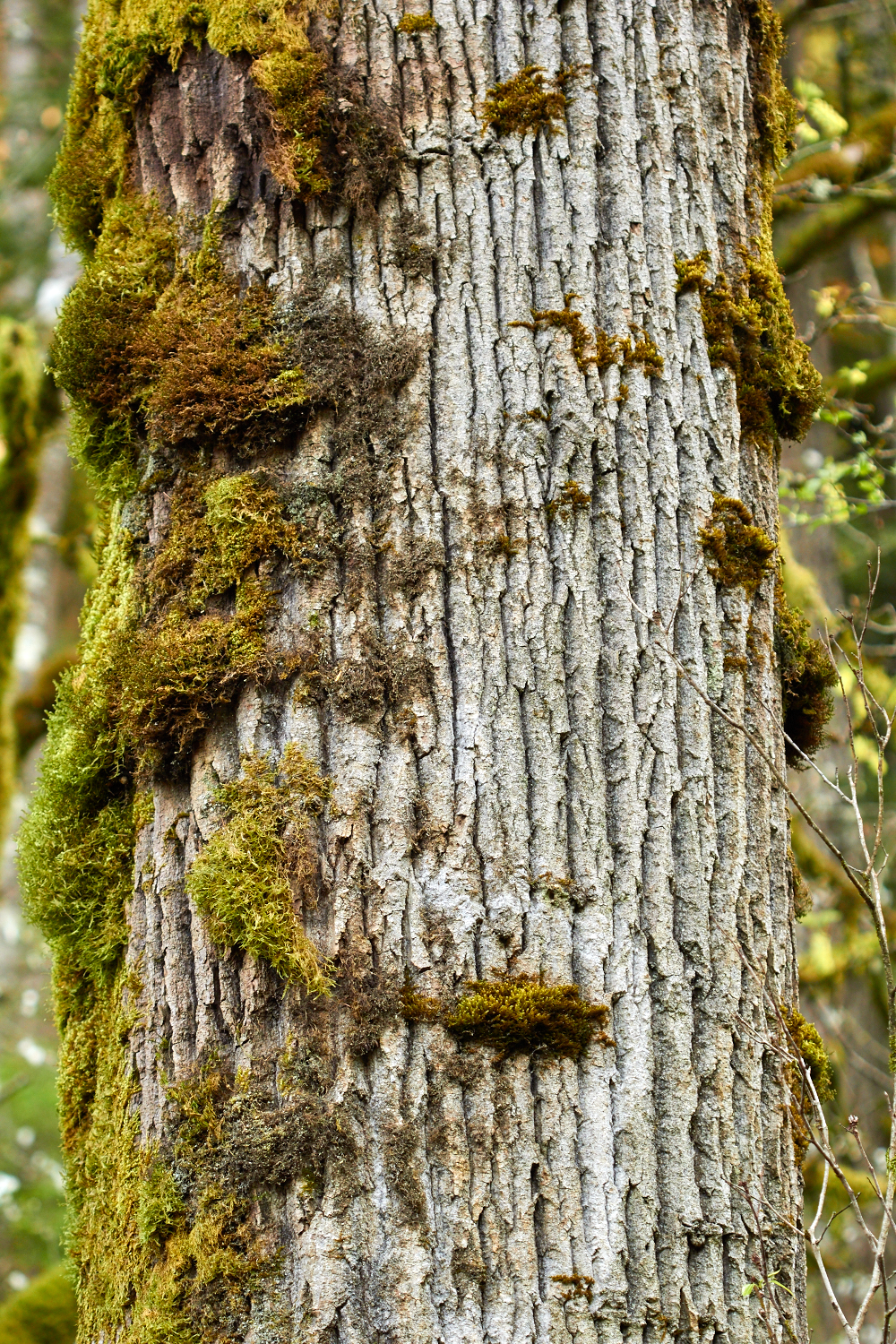
The thick, furrowed bark of mature Cottonwood’s protects their soft, readily rotting trunk wood
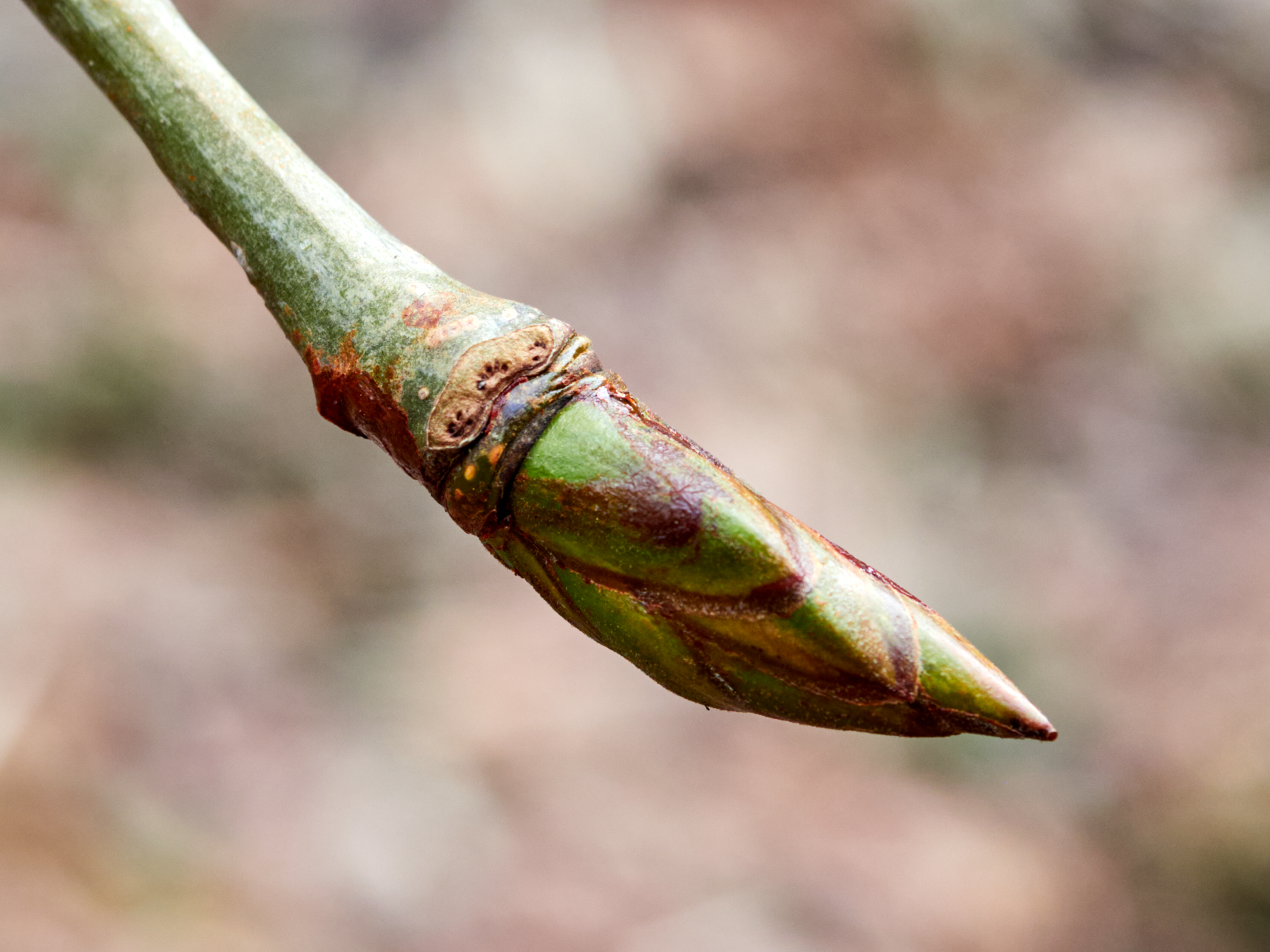
The first scent of the resinous, sweet-smelling buds heralds the arrival of spring and the beginning of the harvest season
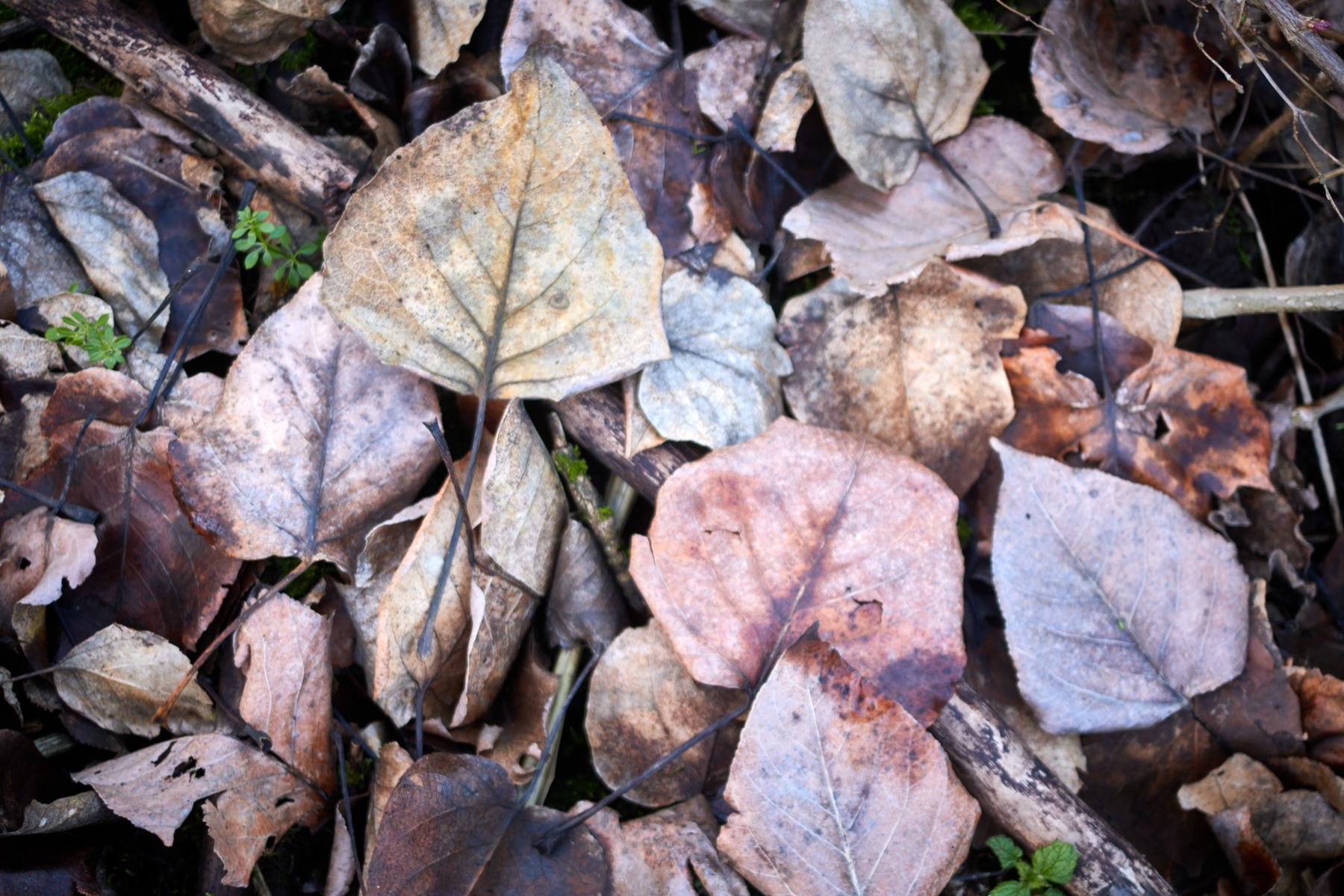
Since harvesting buds happens before the leaves emerge, we have to rely on the bark, the buds, and the previous year's fallen leaves to guide our identification
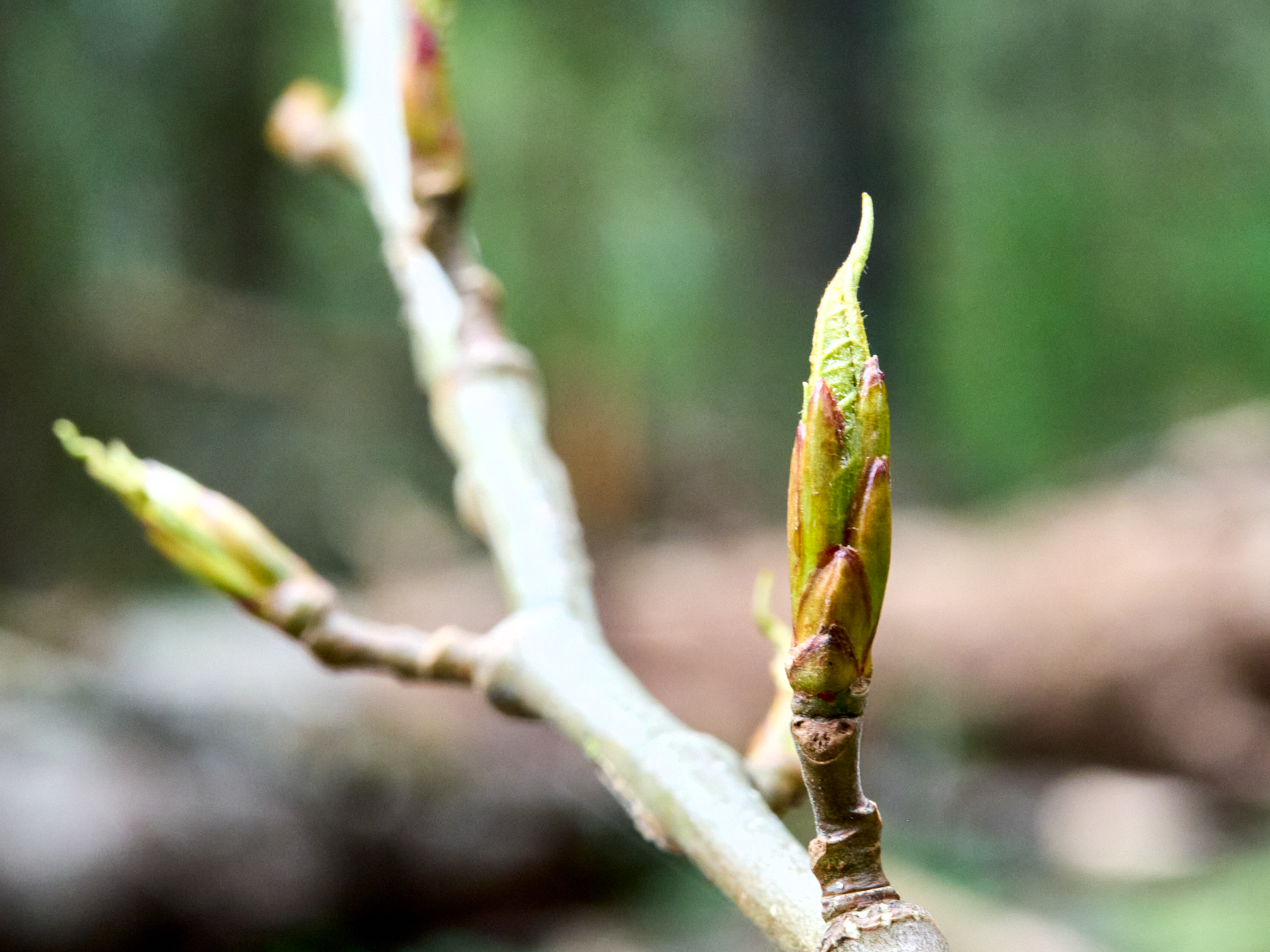
Once the leaves being to emerge it is too late to harvest the buds
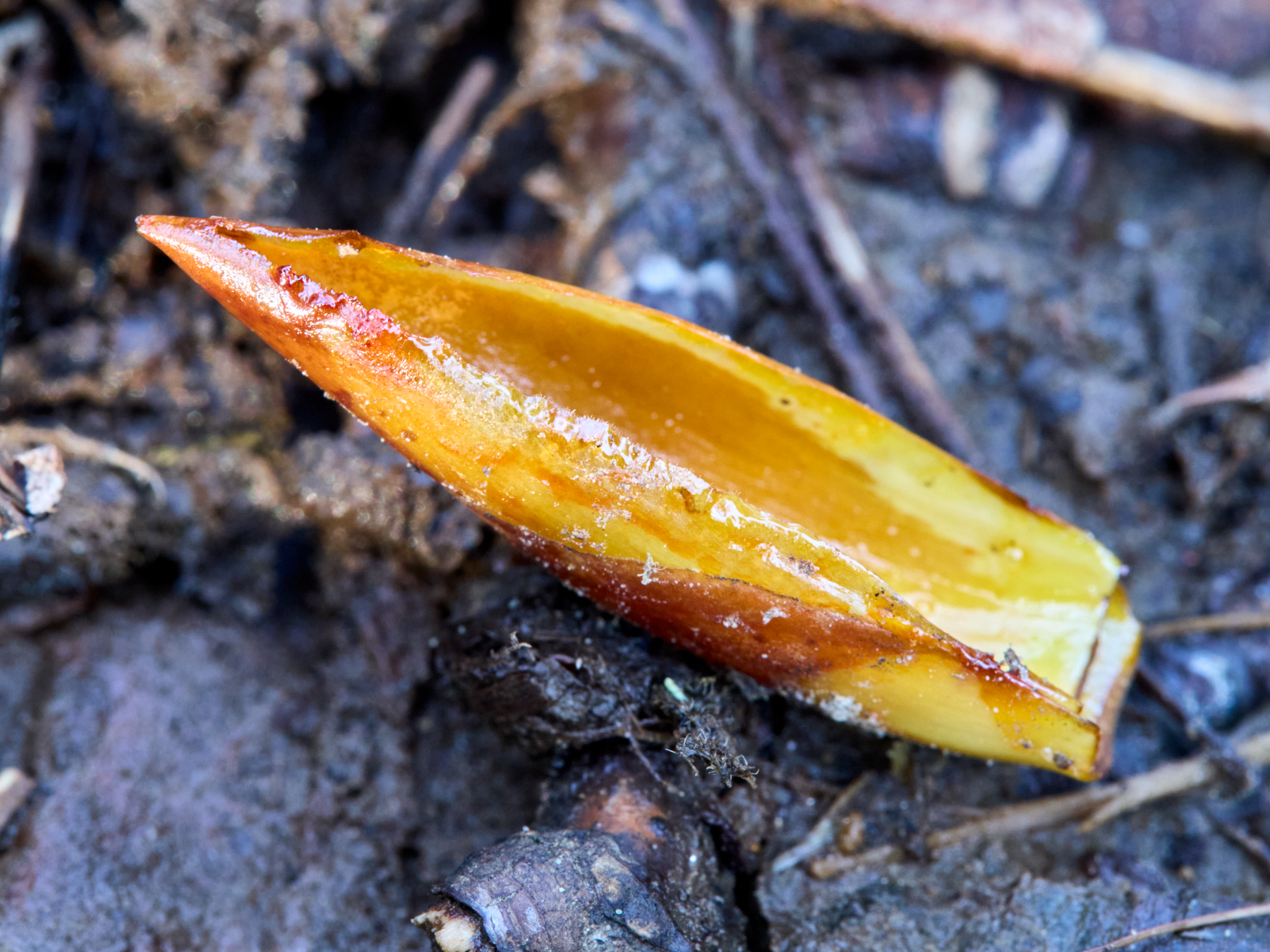
This fallen bud scale, saturated with rich, aromatic resin, has completed its job of protected the nascent leaves
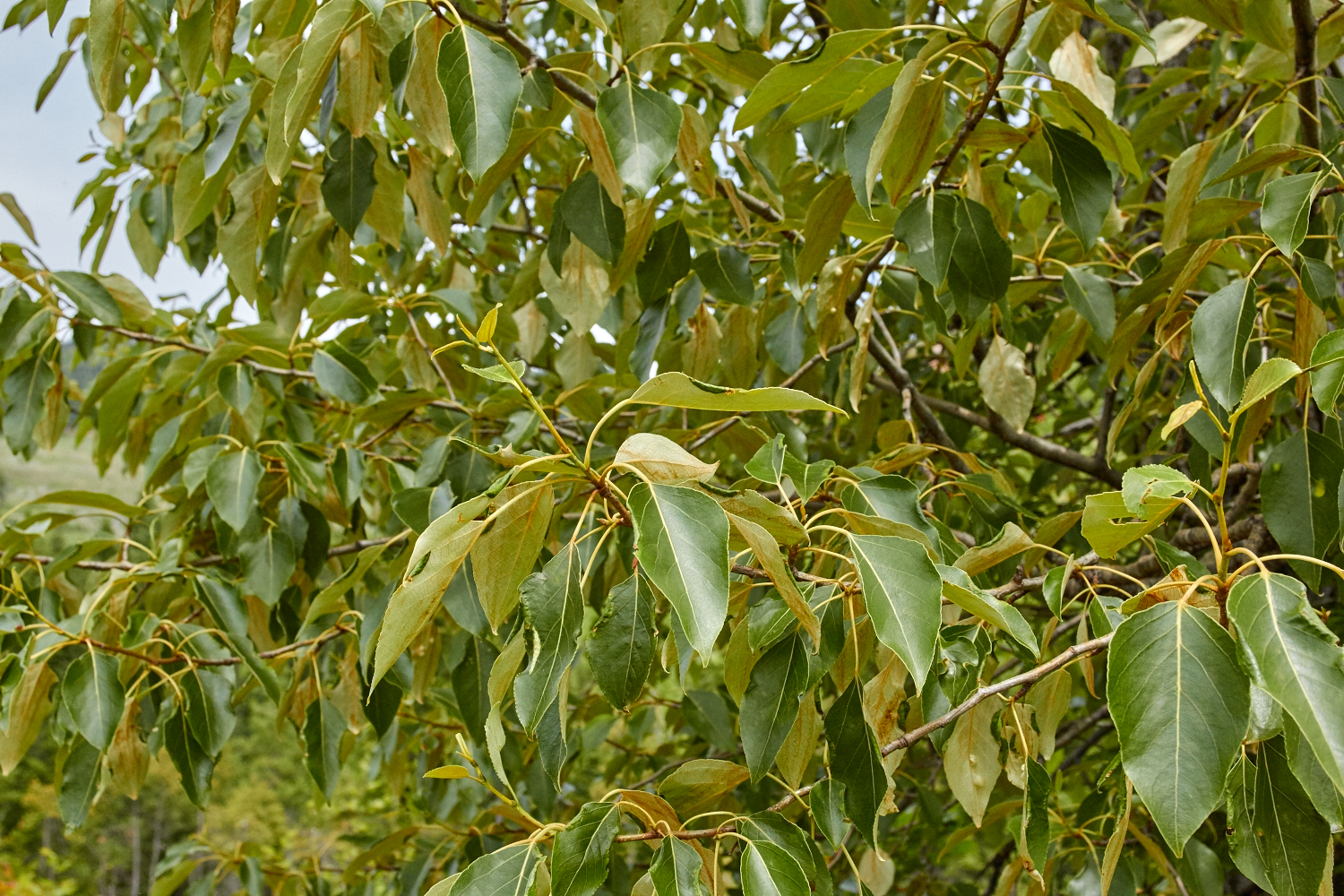
The sound of Black Cottonwood leaves fluttering in the wind brings joy to the heart
Black Cottonwood bud time-lapse harvest